Business 3 min read
The Best AI Doesn't Wait to Be Asked.
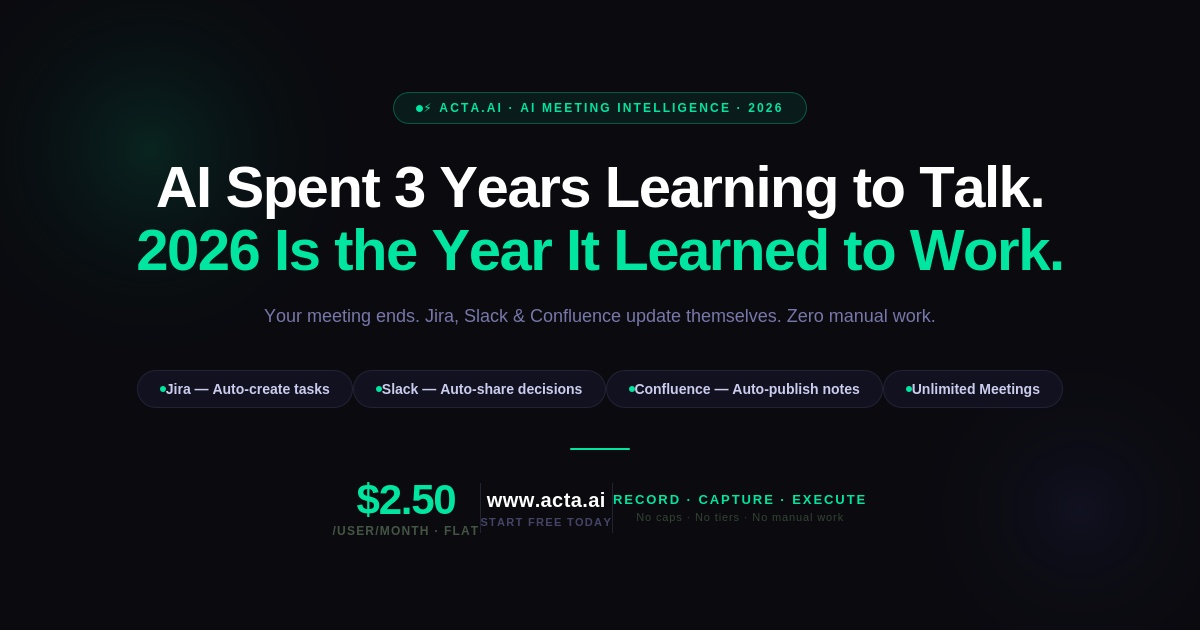
The Shift Nobody Talks About: The Era of Prompt and Chatbot is over.
For the past three years, the AI conversation has been dominated by the same question: "What can it generate?"
Blog posts. Images. Code. Summaries. The world marveled at what AI could produce when given a prompt.
But in 2026, the question has quietly, fundamentally changed.
It's no longer "What can AI generate?"
It's "What can AI execute?"
From Assistant to Agent
The most significant shift in AI this year isn't a new model or a faster chip. It's a change in behavior. The industry has a name for it now — Agentic AI. And it describes something most people haven't fully registered yet.
Agentic AI doesn't wait to be asked. It doesn't produce an output and hand the work back to you. It observes a situation, understands what needs to happen, and takes action — across systems, tools, and workflows — without needing a human to bridge each step.
Think about what that actually means for a business.
A customer files a complaint. An agentic system reads it, checks the account history, flags the relevant department, drafts a resolution, updates the CRM, and closes the loop — all before a human opens their inbox.
This isn't science fiction. It's the operational reality companies are building toward right now.
The Workplace Is Ground Zero
Of all the places agentic AI is making its first real impact, the workplace — specifically the modern, meeting-heavy, always-on workplace — is where it's hitting hardest.
Consider how much intelligence is generated in a single hour of conversation between a product team, a sales team, or a leadership group. Decisions get made. Priorities shift. Someone says "let's move on this by Friday." Someone else flags a blocker. A new feature gets scoped. A customer concern gets raised.
And then the meeting ends.
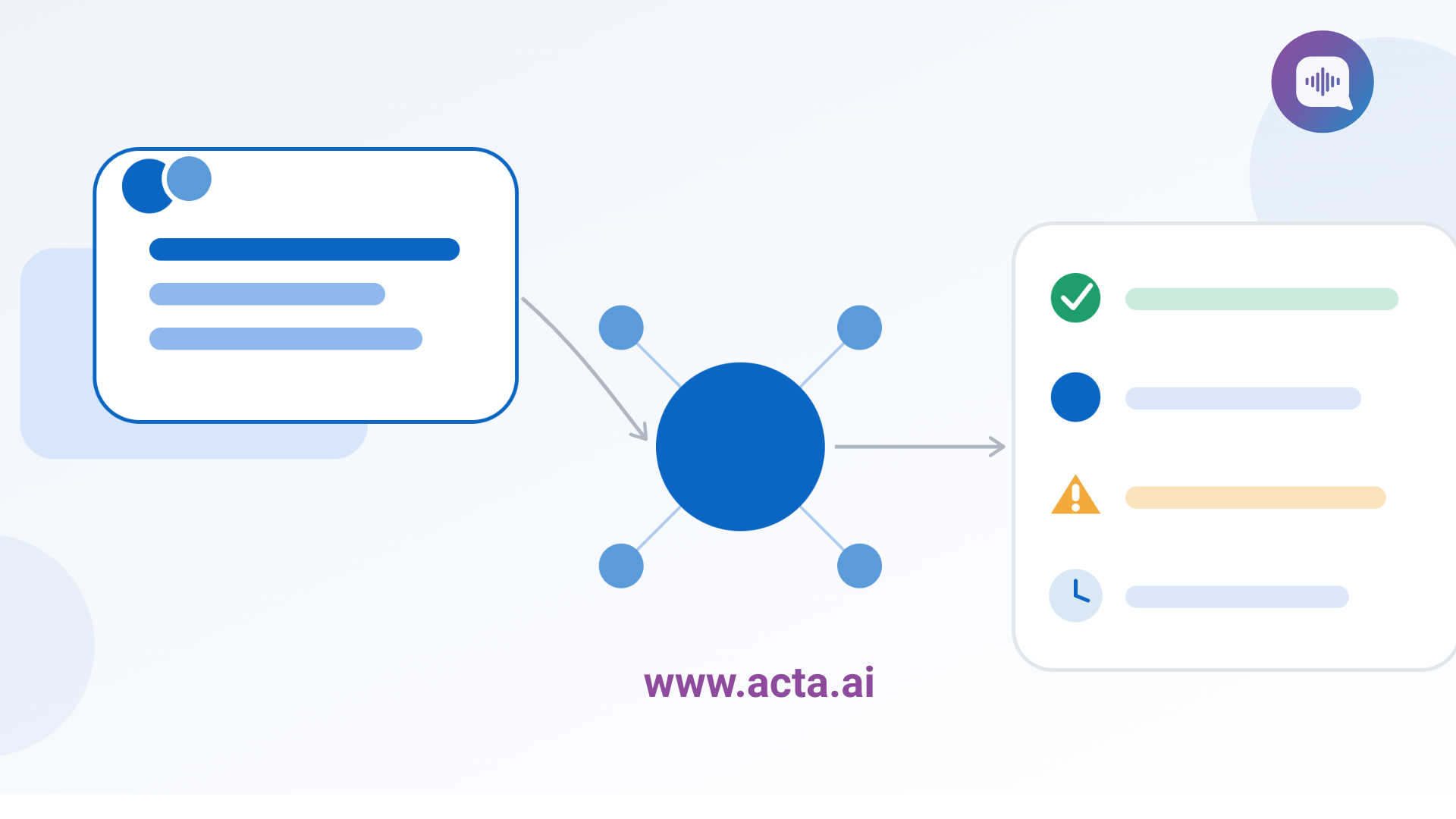
And most of that intelligence evaporates. Not because people don't care — but because the gap between conversation and execution has always been a human problem. Notes get written poorly or not at all. Action items get forgotten. The Jira ticket nobody created. The Slack message that was supposed to go out. The Confluence page that still says "Draft."
This is precisely the gap that tools like Acta.ai are closing — not loudly, but effectively. By sitting inside your workflow and turning conversation into coordinated action across the tools your team already uses, quietly and automatically.
Why This Matters Beyond Productivity
The deeper implication of agentic AI isn't just efficiency. It's organizational memory.
When decisions, commitments, and context stop living in someone's head and start living in your systems — your company gets smarter over time. Teams align faster. Fewer things fall through the cracks. New hires onboard with context that previously walked out the door with whoever left last quarter.
2026 isn't the year AI became powerful.
It's the year AI became useful — not as a tool you open when you need something, but as a layer beneath your work that makes sure what was said actually gets done.
The businesses that understand this distinction today are the ones that will look back in three years and wonder how they ever operated without it.
The future doesn't belong to the companies with the most AI tools.
It belongs to the ones where nothing gets lost after the meeting ends.